
Leave A Message
If you are interested in our products and want to know more details,please leave a message here,we will reply you as soon as we can.


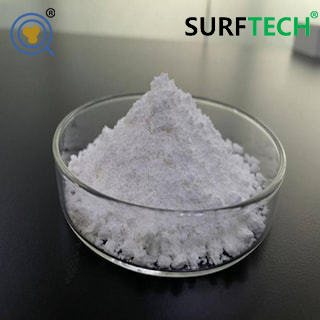
In the research, development, and production of in vitro diagnostic (IVD) reagents, every minute detail can determine the final quality of the product. As a chromogenic substrate commonly used in GGT (Gamma-Glutamyl Transferase) diagnostic reagents, the stability and performance of GLUPA-C (L-γ-Glutamyl-3-carboxy-4-nitroanilide ammonium salt) are closely related to the ammonium ion content within its chemical composition. Precise control of ammonium ions in GLUPA-C is a critical step in ensuring the quality of IVD substrates and guaranteeing accurate and reliable test results.
Firstly, the ammonium ion content directly affects the physicochemical properties of GLUPA-C. As an IVD substrate, GLUPA-C must remain stable within a specific pH environment. If the ammonium ion content is too high, it can directly cause the product's pH value to fluctuate abnormally, deviating from the optimal range. This accelerates the degradation of the GLUPA-C molecular structure, reducing its active components. Furthermore, elevated ammonium ions increase the substrate's hygroscopicity, leading to powder clumping, which severely impacts subsequent weighing and formulation processes.
Conversely, an ammonium ion content that is too low also presents negative effects. An appropriate level of ammonium ions is crucial for maintaining the crystal structure and solubility characteristics of GLUPA-C. An excessively low content can reduce the substrate's dissolution rate and solubility in buffer solutions, and may even affect the ionic strength and stability of the entire reaction system, thereby interfering with the final performance of the diagnostic reagent.
Only when the ammonium ion content in GLUPA-C is maintained within a precise, standardized range can its excellent physicochemical properties be ensured. This precise balance is the foundation for guaranteeing the core performance of IVD substrates—ensuring the specificity and sensitivity of the enzyme-substrate reaction. At the same time, a stable ammonium ion content is directly related to the long-term storage stability of GLUPA-C, preventing performance degradation during its shelf life, thereby extending the reagent's validity period and providing reliable assurance for IVD manufacturers and end-users.
Therefore, from raw material screening to final product release, rigorous batch-to-batch consistency and precise control of the ammonium ion content in GLUPA-C are essential measures in the production of high-quality IVD substrates. This commitment is not only a responsibility to product quality but also an adherence to ensuring accuracy in clinical diagnostics.
When selecting a partner for IVD substrates, we understand that you need more than just a product with stable performance; you also expect your supplier to proactively manage every potential risk for you. QYM always prioritizes quality, strictly controlling the impurity content of each batch of products to ensure that substrates like GLUPA-C consistently maintain excellent quality with high purity, low impurities, and high stability. We believe that only by rigorously attending to every detail from the source can you feel more at ease and confident in your reagent research, development, and production. Choose QYM, and let high-quality IVD substrates safeguard the quality of your diagnostic reagents.
Visit us today at www.qymbiomaterial.com to explore our full range of IVD reagent substrate solutions. Keep your brand trustworthy with stable, cost-effective substrates.
Leave A Message
Scan to Wechat :

Scan to WhatsApp :

 English
 Español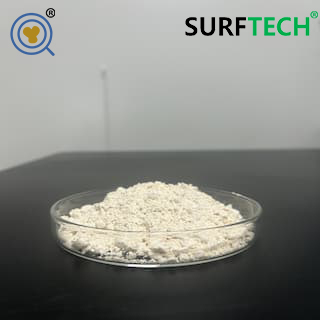


 IPv6 network supported