
Leave A Message
If you are interested in our products and want to know more details,please leave a message here,we will reply you as soon as we can.


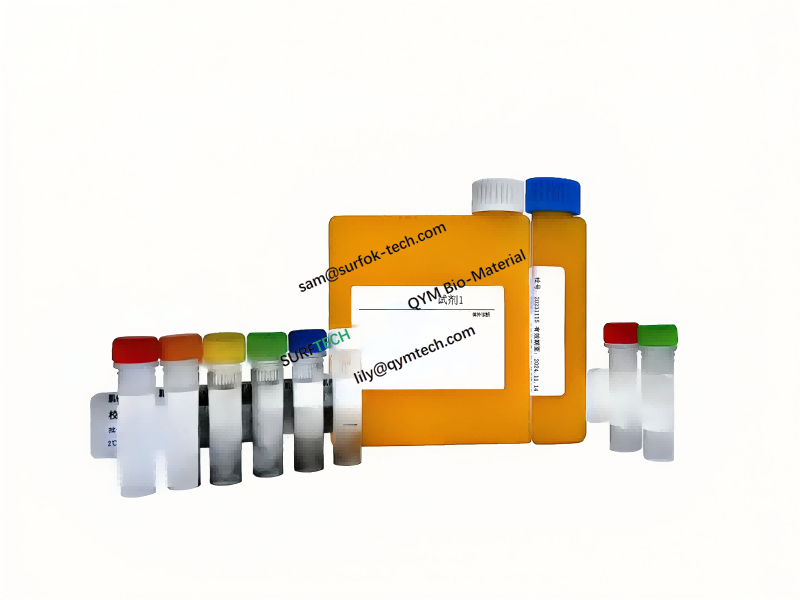
Myoglobin (MYO) is applied for early screening of acute myocardial infarction and evaluation of striated muscle damage in patients with suspected muscle injury.
MYO OEM kit utilizes a two-antibody sandwich immunoassay and is applicable to chemiluminescence platforms. Specific antibodies target MYO epitopes to capture trace plasma MYO, delivering high sensitivity and specificity. Calibrated with high-purity recombinant MYO, the assay provides accurate and stable quantitative results. Serving as a vital early biomarker for acute myocardial infarction diagnosis, it supports early identification and dynamic monitoring of myocardial and skeletal muscle injury for clinical auxiliary diagnosis.
Myoglobin (MYO) is a protein uniquely present in human striated muscle and exists at low levels in healthy serum. It leaks into circulation when cardiac or skeletal muscle is injured. Thanks to its small molecular size, MYO elevates early: in AMI patients, levels increase 2–3 hours after symptom onset, peak within 7–10 hours and normalize around 24 hours, making MYO a key marker for AMI testing. Serum MYO assay aids diagnosis of myocardial infarction, muscular dystrophy, myocarditis and cardiomyopathy, as well as assessment of treatment response and prognosis.
★Bulk reagents are available with matching raw materials.
Brand :
QYM,SURFTECHItem No :
MYO-1Order(MOQ) :
On requestPayment :
T/TProduct Origin :
ChinaColor :
R1 should be a colorless to pale yellow transparent liquid; R2 should be a milky white suspension.Shipping Port :
Hefei or other portsLead Time :
On requestWeight :
On requestMYO OEM reagent
Product Specifications
| Product Name | MYO OEM reagent (chemiluminescence platforms) |
| Application: | It is applied for early screening of acute myocardial infarction and evaluation of striated muscle damage in patients with suspected muscle injury. |
|
Assay Principle: |
Two-antibody sandwich immunoassay |
|
Sample Type: |
Serum / Plasma |
|
Calibrator Component: |
Recombinant antigen |
|
Analytical Sensitivity |
10 ng/mL |
|
Functional Sensitivity |
21 ng/mL |
|
Measuring Range: |
10–3000 ng/mL |
|
Incubation Time |
5+3 min |
|
Calibration Interval |
28 days |
|
Precision: |
Intra-run CV ≤5%, Inter-run CV ≤8% |
|
Method Comparison: |
r>0.975 vs. Roche |
|
Cross-reactivity |
≤0.0001% with hemoglobin at 1.06×10⁷ ng/L |
|
Interfering Substances |
Bilirubin <0.20 mg/mL; Total protein <100 g/L; Triglyceride <10 mg/dL |
|
Hook Effect Concentration |
30,000 ng/mL |
| Package Size |
on request |
| Storage/Shipping | Store sealed and protected from light at 2 °C to 8 °C |
| Shelf Life | 12 months |
Product Advantages
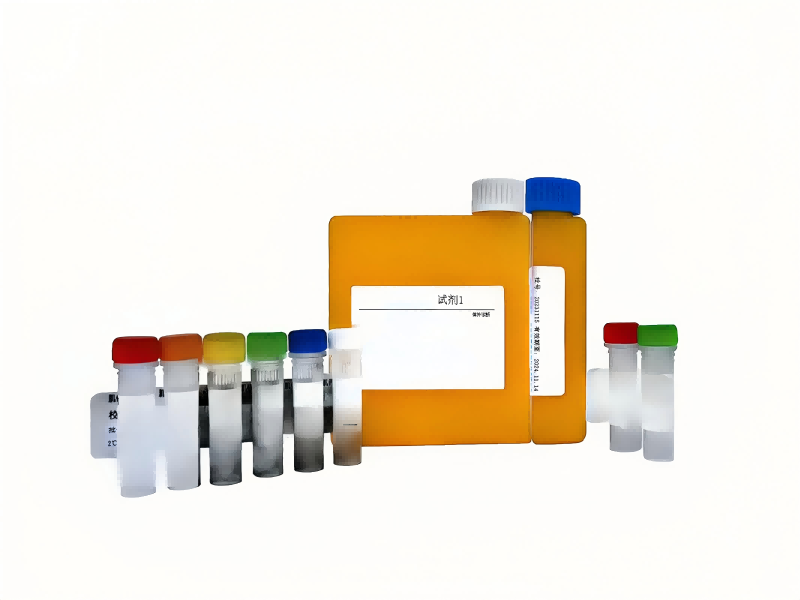
1.Linear correlation coefficient >0.99 within ≤3000 ng/mL, meets international criteria
2.High correlation vs Roche, R²>0.975
3.Free of prominent hook effect under 30000 ng/mL
4.Acceptable recovery at 60× sample dilution
Linear Range Validation(pg/mL) Correlation to R* MYO Assay (human samples,n=40)


Application Scenarios

Myoglobin (MYO) is applied for early screening of acute myocardial infarction and evaluation of striated muscle damage in patients with suspected muscle injury.
--------------占位---------------
FAQ
What is the high-dose Hook effect limit for Myoglobin, given its extremely wide clinical dynamic range?
The assay incorporates an optimized antibody ratio to prevent false negatives, maintaining a high-dose Hook threshold exceeding 30,000 ng/mL.
How well does it correlate with global benchmark analyzers ?
High correlation vs Roche, R²>0.975
What is the shelf life, lot-to-lot variation, and support for OEM bulk/uncut format supply?
Offers 12–18 months liquid stability (2–8℃) and lot-to-lot variation CV ≤8%. Available as liquid bulk, OEM test kits.
Procalcitonin (PCT) serves as a robust biomarker for diagnosing bacterial infections, offering high sensitivity and specificity. Serum PCT levels rise rapidly during severe systemic bacterial infections and return to baseline faster than CRP once the infection is controlled. However, localized infections typically do not induce significant PCT elevations. Consequently, PCT is widely utilized for the diagnosis and differential diagnosis of sepsis, as well as evaluating its severity and clinical progression. ★Bulk reagents are available with matching raw materials.
Read More
Interleukin-6 (IL-6) is a pivotal cytokine in inflammatory and immune responses. It promotes B-cell antibody production, T-cell proliferation, and IL-2 expression, while regulating the growth and differentiation of diverse cell types. Beyond its central roles in immune regulation, acute-phase responses, and hematopoiesis, IL-6 is crucial for host defense against infections. Marked alterations in IL-6 levels closely correlate with disease activity, tumor progression, transplant rejection severity, and therapeutic efficacy. ★Bulk reagents are available with matching raw materials.
Read More
Heparin-Binding Protein (HBP), a neutrophil-derived granule protein, serves as an early diagnostic biomarker for infectious diseases, particularly severe bacterial infections. Serum/plasma HBP levels rise significantly in bacterial infections, whereas non-bacterial infections do not induce such an elevation. Heparin-Binding Protein (HBP) is applied for the early identification, risk stratification, and prognosis assessment of severe bacterial infections and sepsis, as well as the differential diagnosis of acute inflammatory conditions and localized infection-induced vascular leakage. HBP OEM kit utilizes a two-antibody sandwich immunoassay and is applicable to chemiluminescence platforms. Specific monoclonal antibodies target distinct structural epitopes on the HBP molecule to capture plasma or serum HBP, delivering high sensitivity and exceptional specificity without cross-reactivity to other neutrophil granule proteins. Calibrated with high-purity recombinant HBP antigen, the assay provides accurate, reliable, and stable quantitative results. Serving as an early-warning biomarker for acute vascular leakage and organ failure, it supports timely clinical intervention, triage in emergency and intensive care units (ICU), and dynamic therapeutic efficacy monitoring in severe infectious diseases. ★Bulk reagents are available with matching raw materials.
Read More
Gastrin-17 (G-17) is applied for the screening, risk stratification, and auxiliary diagnosis of chronic atrophic gastritis, gastric antral mucosal atrophy, and gastric cancer, as well as the non-invasive monitoring of gastric acid status, Helicobacter pylori (H. pylori) infection, and long-term proton pump inhibitor (PPI) therapy. G17 OEM kit utilizes a two-antibody sandwich immunoassay and is applicable to chemiluminescence platforms. Specific monoclonal antibodies target distinct structural epitopes on the G-17 molecule to capture serum or plasma G-17, delivering high sensitivity and exceptional specificity without cross-reactivity to other gastrin isoforms or cholecystokinin (CCK). Calibrated with high-purity recombinant G-17 antigen, the assay provides accurate, reliable, and stable quantitative results. Serving as a crucial non-invasive biomarker for gastric antral secretory function, when combined with PG I, PG II, and the PGI/PGII ratio (PGR) in the "serological gastric biopsy" panel, it supports precise location-specific identification of gastric mucosal lesions, non-invasive gastric cancer risk stratification, and dynamic clinical management. ★Bulk reagents are available with matching raw materials.
Read More
Pepsinogen I (PGI) is applied for the screening, risk stratification, and auxiliary diagnosis of chronic atrophic gastritis and gastric cancer, as well as the non-invasive evaluation of gastric mucosal secretory function and gastric body atrophy. PGI OEM kit utilizes a two-antibody sandwich immunoassay and is applicable to chemiluminescence platforms. Specific monoclonal antibodies target distinct structural epitopes on the PG I molecule to capture serum or plasma PG I, delivering high sensitivity and exceptional specificity without cross-reactivity to Pepsinogen II (PG II). Calibrated with high-purity recombinant PG I antigen, the assay provides accurate, reliable, and stable quantitative results. Serving as a primary non-invasive biomarker for gastric acid secretory capacity, when combined with PG II and the PGI/PGII ratio (PGR), it supports early identification of gastric mucosal atrophy, non-invasive gastric cancer risk stratification, and clinical therapeutic monitoring. ★Bulk reagents are available with matching raw materials.
Read More
Pepsinogen II (PGII) is applied for the screening, risk stratification, and auxiliary diagnosis of chronic atrophic gastritis, peptic ulcer diseases, and gastric cancer, as well as the dynamic monitoring of Helicobacter pylori (H. pylori) eradication therapy and gastric mucosal status. PGII OEM kit utilizes a two-antibody sandwich immunoassay and is applicable to chemiluminescence platforms. Specific monoclonal antibodies target distinct structural epitopes on the PG II molecule to capture serum or plasma PG II, delivering high sensitivity and exceptional specificity without cross-reactivity to Pepsinogen I (PG I). Calibrated with high-purity recombinant PG II antigen, the assay provides accurate, reliable, and stable quantitative results. Serving as a key non-invasive biomarker for gastric health evaluation, when combined with PG I and the PGI/PGII ratio (PGR), it supports early identification of gastric mucosal lesions, non-invasive gastric cancer risk assessment, and clinical therapeutic efficacy monitoring. ★Bulk reagents are available with matching raw materials.
Read More
D-Dimer is applied for the rule-out diagnosis of deep vein thrombosis (DVT) and pulmonary embolism (PE), as well as the auxiliary diagnosis, risk evaluation, and dynamic monitoring of disseminated intravascular coagulation (DIC) and hypercoagulable states. D-Dimer OEM kit utilizes a two-antibody sandwich immunoassay and is applicable to chemiluminescence platforms. Specific monoclonal antibodies target distinct cross-linked D-Dimer domain epitopes on fibrin degradation products to capture plasma D-Dimer, delivering high sensitivity and exceptional specificity without cross-reactivity to fibrinogen. Calibrated with high-purity recombinant D-Dimer antigen, the assay provides accurate, reliable, and stable quantitative results. Serving as a crucial clinical biomarker for thrombotic disorders, it supports rapid emergency rule-out, risk assessment, and therapeutic response monitoring in thrombolytic therapy. As a classic thrombosis marker, D-Dimer is widely used clinically to rule out venous thromboembolism (VTE). It also supports diagnosis and therapeutic monitoring of disseminated intravascular coagulation (DIC) and malignant tumors, as well as evaluation of coagulation disorders, making it one of the most commonly ordered coagulation tests by clinicians. ★Bulk reagents are available with matching raw materials.
Read More
Suppression of Tumorigenicity 2 (ST2) is applied for risk stratification, disease severity evaluation, and prognosis assessment of patients with acute and chronic heart failure, as well as cardiac fibrosis and remodeling. ST2 OEM kit utilizes a two-antibody sandwich immunoassay and is applicable to chemiluminescence platforms. Specific monoclonal antibodies target distinct epitopes on the soluble ST2 molecule to capture plasma sST2, delivering high sensitivity and exceptional specificity. Calibrated with high-purity recombinant sST2, the assay provides accurate, reliable, and stable quantitative results. Unaffected by age, BMI, or renal function, it serves as a valuable novel biomarker for cardiac fibrosis and biomechanical strain, supporting personalized risk prediction and dynamic therapeutic monitoring in heart failure management. ★Bulk reagents are available with matching raw materials.
Read MoreLeave A Message
Scan to Wechat :

Scan to WhatsApp :

 English
 Español


 IPv6 network supported